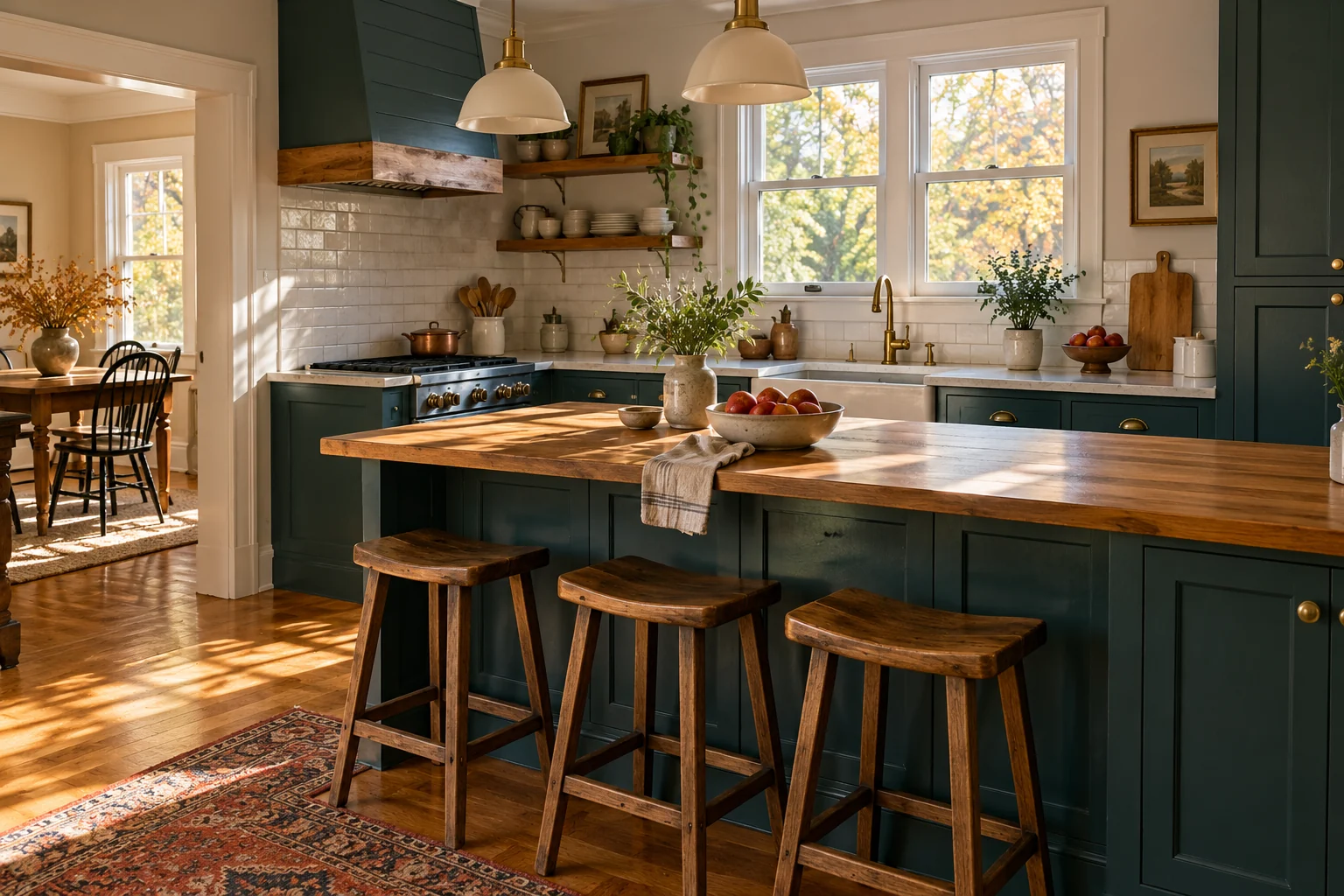
A kitchen can look tired and still work beautifully. It can also look impressive while making breakfast feel like an obstacle course. Before collecting cabinet samples, spend a week noticing which kind of problem you have.
Keep a short note on your phone. Record every time you cannot find a pan, collide at a doorway, run out of preparation space or move the same appliance to reach an outlet. Patterns in that list should lead the project, even when the inspiration board is pulling in another direction.
Try the reversible changes first Empty the cabinets you use most and put everyday objects near the task they serve. Move occasional entertaining pieces out of prime storage. Give bags, mail and chargers a home outside the main preparation area. These changes do not solve a bad layout, but they reveal how much frustration comes from accumulated habits.
Live with the rearrangement before deciding what remains broken. If the room now functions but still feels dated, a focused update may be worth discussing: hardware, selected finishes, a backsplash or professional cabinet refinishing where the existing material is suitable.
Know what starts a larger project Changing an appliance’s location can affect more than the cabinet opening. Plumbing, electrical work, ventilation, flooring and adjacent finishes may all enter the conversation. Ask the professional preparing your scope to trace the consequences of each proposed move.
Keeping the footprint does not automatically mean a project is small. Replacing surfaces can uncover conditions that require attention. Conversely, a complete demolition is not automatically the most useful answer. Request options that solve the same functional problem at different levels of intervention.
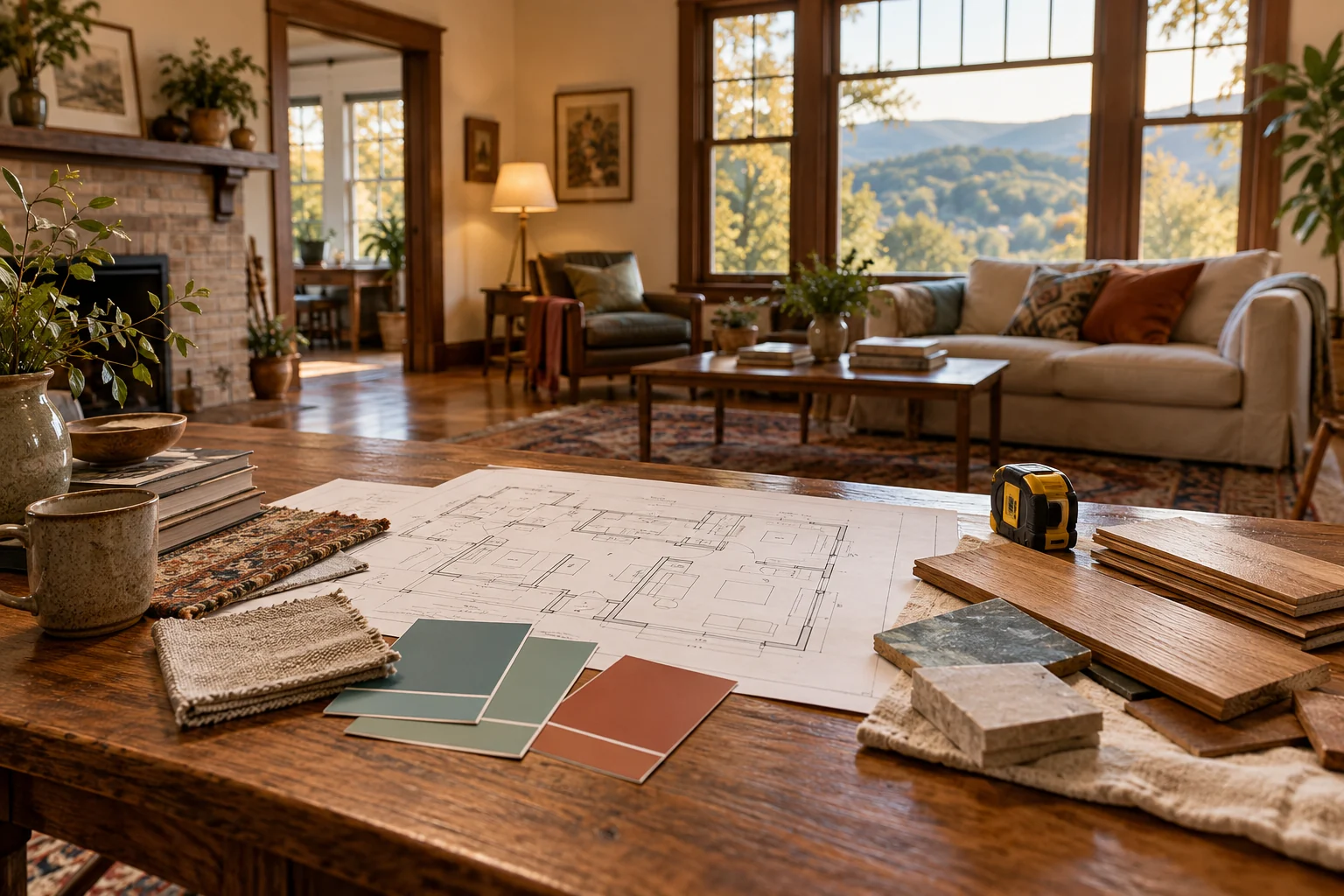
Shop with the whole room in mind Look at material samples together under your own lighting. Place them vertically or horizontally as they will be installed. A finish that looks warm in a showroom may appear very different beside your existing floor.
Choose the most important element first, then let the quieter finishes support it. Too many competing statements can make decisions harder and the room busier than you intended.
When you compare the final proposals, describe the result in plain language: two people can cook comfortably, dishes have a place, and the room is easier to clean. That is a stronger basis for a kitchen investment than a trend you may stop noticing next season.